IBT Institute of Basic Technology

THE CONTEXT

The Connectivity Crisis Teacher Pehpeh Was Built For

The map below shows every school in Liberia tracked by UNICEF's Giga initiative. Each dot is a school. The colors tell the story.

No connectivity
Limited / unknown
Connected
schools with no internet
total schools mapped
lack reliable access

Loading Liberia school connectivity data from UNICEF Giga…

🔴
The Problem is Structural

Most unconnected schools aren't failing — they're simply operating without the infrastructure that wealthier regions take for granted. No internet means no digital resources, no AI tools, no modern curriculum support.

🌶️
Designed for Every Connectivity Reality

Teacher Pehpeh operates across the full connectivity spectrum. Where internet exists, it runs fully online. In low-bandwidth environments, it adapts automatically. And in areas with no connection at all, pre-generated widgets and lesson content work completely offline — so no teacher is left without support, regardless of infrastructure.

📡
Connectivity as Context

School connectivity data — including maps like this one — gives IBT and its partners a useful lens on the infrastructure landscape. Deployment decisions are driven by relationships, school readiness, and community need, but understanding the connectivity environment helps IBT prepare teachers and tailor support from day one.

CONNECTIVITY INTELLIGENCE

Every Launch is a Data Point

When Teacher Pehpeh launches at a school, it automatically captures a snapshot of that school's connectivity — speed, technology type, and location. Over time, across every school in the network, this builds a ground-level picture of digital access in West African classrooms that no other dataset provides.

How It Works

The first time Teacher Pehpeh is launched at a school, it performs a one-time connectivity check — automatically and silently, before the teacher's session begins. No setup. No forms. No technical knowledge required.

01
Speed Test

Measures download and upload speeds in Mbps — capturing the real-world quality of connectivity available to that teacher and classroom.

02
Technology Type

Identifies the connection technology in use — Wi-Fi, 5G, 4G LTE, 3G, or fixed broadband — giving a complete picture of how the school is connected.

03
Geotag & Location Log

Records the GPS coordinates, city, and region of the launch — linking each data point to a precise geographic location and ISP.

04
Logged & Timestamped

Results are saved to a secure log — creating a timestamped, school-level connectivity record that builds over time across the Teacher Pehpeh network.

What a Single School Launch Captures

📡
Download Speed e.g. 14.3 Mbps

Real-world download throughput available to the teacher at time of launch

⬆️
Upload Speed e.g. 3.8 Mbps

Upload capacity — relevant for AI generation and cloud sync

📶
Connection Type e.g. 4G LTE / Wi-Fi

Technology delivering the connection at the school

📍
GPS Coordinates Lat / Long

Precise geolocation of the school — linkable to national and international school mapping datasets

🏙️
City & Region e.g. Monrovia, LR

Human-readable location for aggregation and reporting

🌐
ISP Identity e.g. Lonestar Cell

Internet service provider — critical for infrastructure investment targeting

WHAT WE'VE BUILT

The Infrastructure Behind the Model

5
STEAM Labs

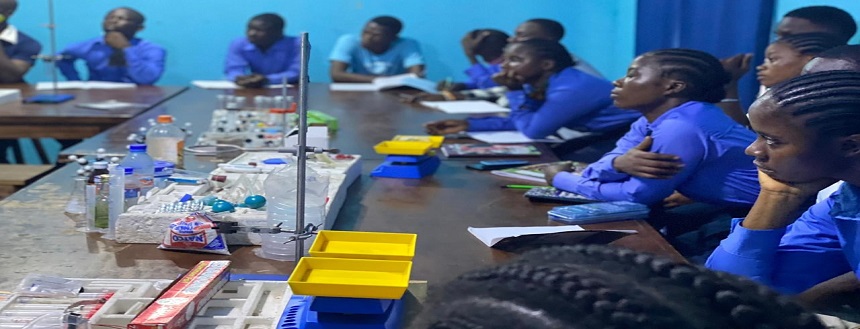
Biology, Chemistry, Physics, Computer Science, and Mathematics — fully equipped and operational in Sinkor, Monrovia.

1
Literacy Centre

A dedicated reading and literacy centre supporting foundational language skills — the bedrock of all STEAM learning.

7+
Partner Schools

From Monrovia suburbs to Gbarnga, Bong County — where IBT supported the first fully furnished rural STEAM lab in the region.

2,000+
Students Reached

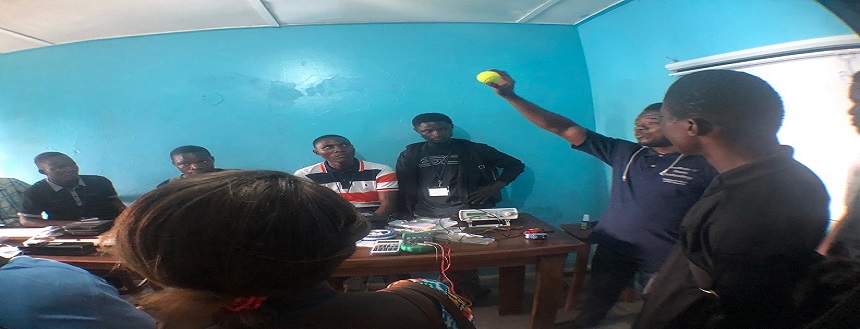
Over 2,000 students mentored to date across all partner schools — learning Python, networking, drones, biology, chemistry, and more.

THE GOALS

What the Model Is Designed to Achieve

A fully developed prototype of the IBT Teaching Model was targeted for completion at the end of the 2023–2024 academic year. These are the four outcomes it is designed to drive.

🎓

Successful Graduation Rate

Demonstrating a measurable progression in the number of high school seniors passing the West African Senior School Certificate Examination (WASSCE) with a GPA of B or better — and ensuring at least 90% of graduating seniors pass all STEAM subjects with a B or better.

🌎

Use of Internet Technology

Beyond basic computer literacy, the goal is to use technology as a medium for accessing courses taught at international standards. Teachers remain in control of daily instruction while online resources serve as powerful supplements — not replacements.

💡

Empower Current Teaching Staff

After observing local teachers closely, IBT found that the nuances unique to their teaching style are genuinely effective. Our model preserves those strengths while layering in regular training to enhance skills further — reducing operational costs and avoiding tuition increases for students.

Redesign the Teaching Time

In every 45-minute session, students should be able to articulate: how the subject applies to their daily life; how it connects to a career path; and demonstrate their understanding through an end-of-class assessment. Active participation is not optional — it is by design.

THE NEXT EVOLUTION

From Model to Machine: Teacher Pehpeh

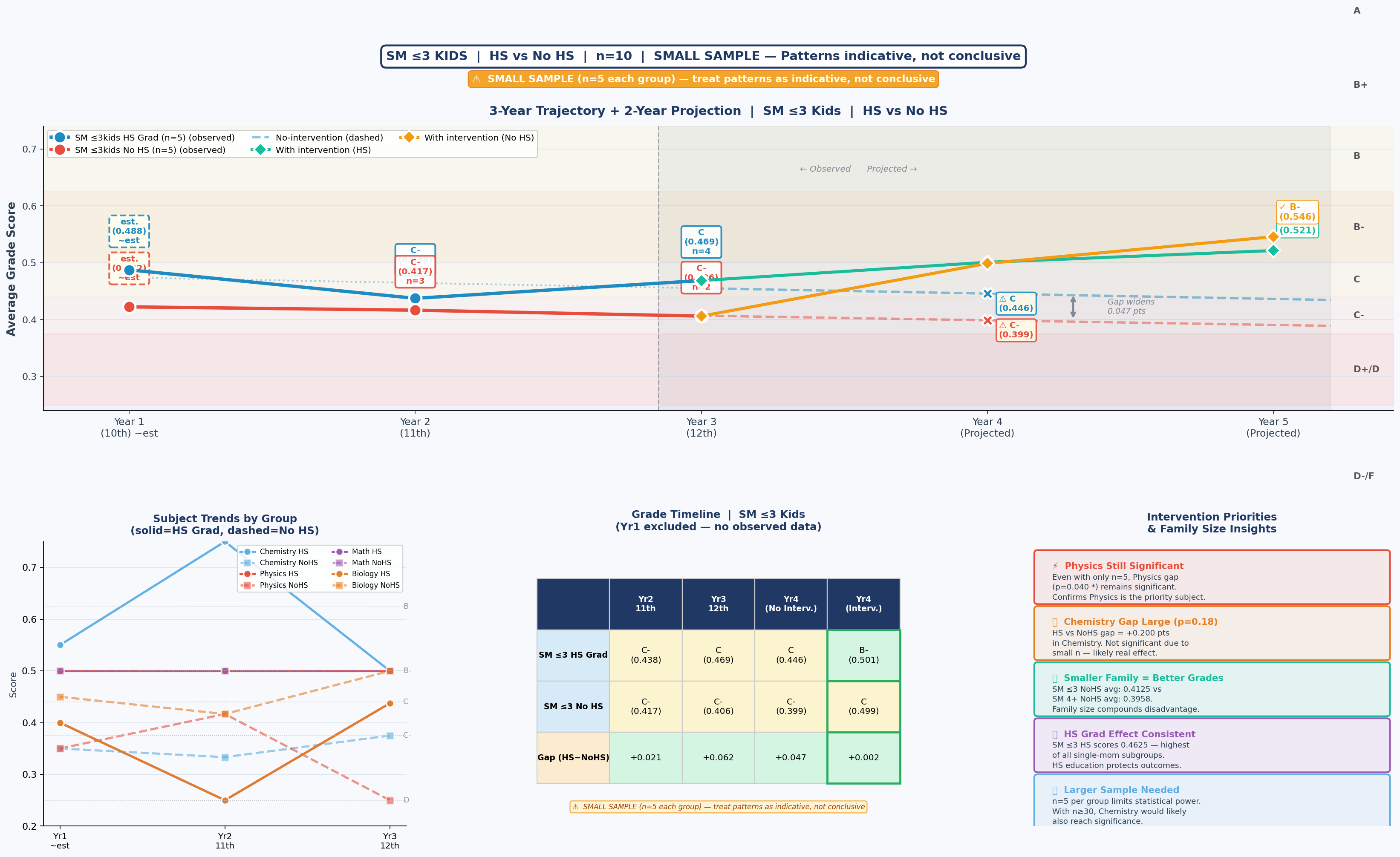
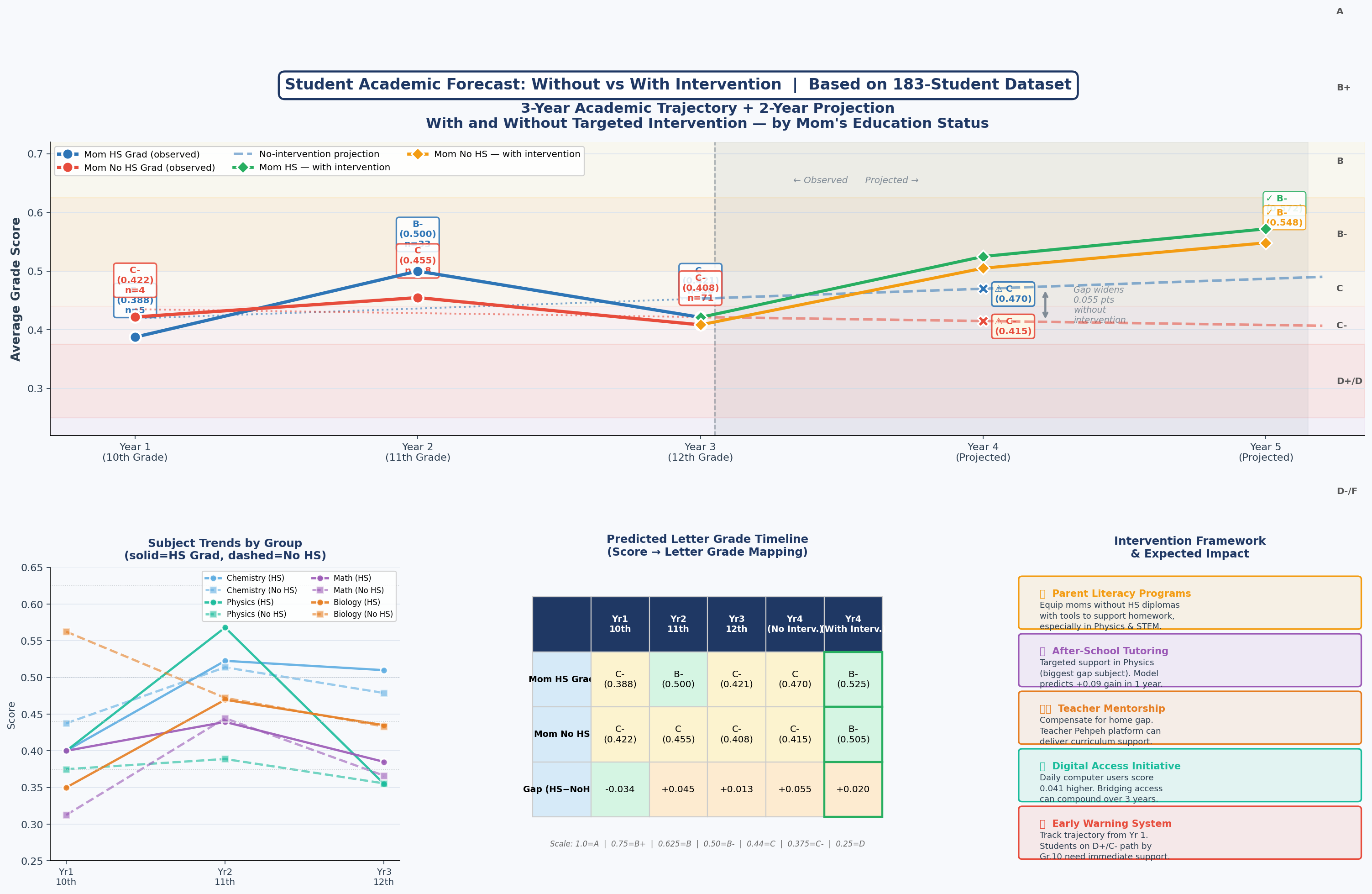
Eight years of data collection, classroom observation, and socioeconomic research didn't just produce a teaching model — it produced the training data for something far more powerful.

Teacher Pehpeh is IBT's proprietary AI system, trained on that locally generated data and designed specifically for teachers working in resource-scarce environments across Sub-Saharan Africa. It does not offer generic advice. It speaks to the specific realities of Liberian classrooms — the vocabulary gaps, the household pressures, the material constraints, the cultural context — because it was built from inside those classrooms.

🌶 AI-powered lesson planning aligned to WASSCE curriculum
🌶 Personalized student feedback based on socio-demographic profile
🌶 Mass grading support to reduce administrative burden on teachers
🌶 Content curation for teachers with limited access to materials
🌶 Re-explains complex concepts in culturally appropriate language
ACTIVE RESEARCH

The VCU Partnership Pilot

In partnership with Virginia Commonwealth University's Department of Sociology, IBT is currently running a pilot study to evaluate the real-world effectiveness of Teacher Pehpeh in classrooms across Monrovia and Nimba County. Funded by VCU and led by Dr. Jamie Cage, the study employs a mixed-method design — combining qualitative teacher interviews with quantitative classroom outcome data.

Participating teachers receive intensive hands-on training, devices preloaded with Teacher Pehpeh, and ongoing support. The findings will inform how IBT scales the AI tool across Liberia and eventually across Sub-Saharan Africa.

✓ Free teacher training on AI integration

✓ Devices preloaded with Teacher Pehpeh

✓ AI-powered lesson planning support

✓ Qualitative & quantitative research design

✓ Culturally grounded implementation

✓ Findings to guide national scaling

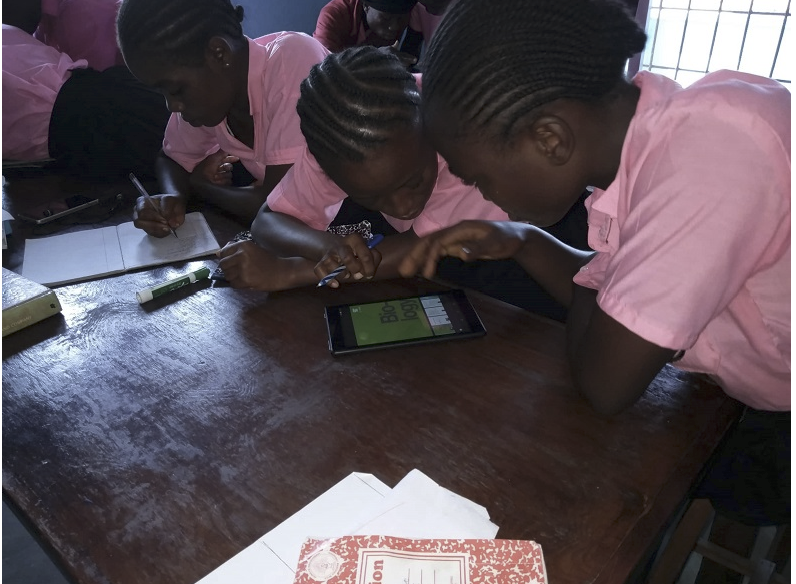
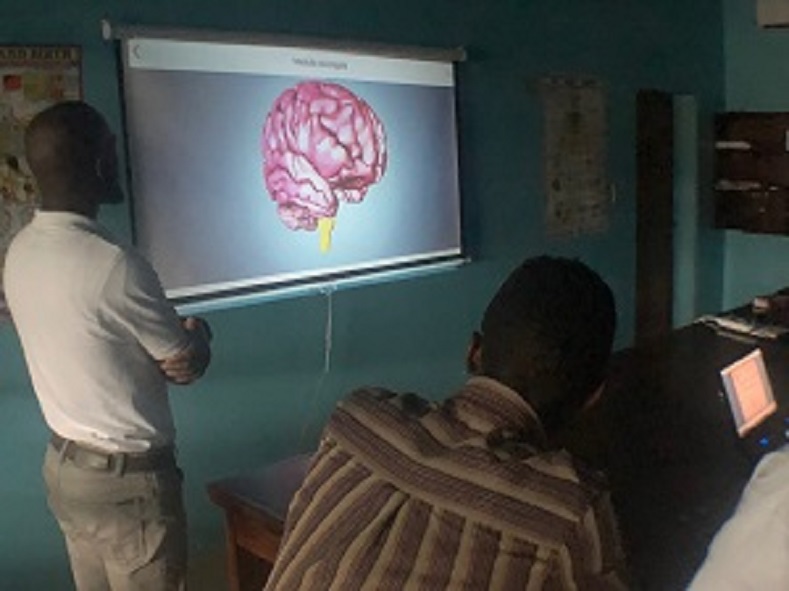
Students using Teacher Pehpeh

Students in Monrovia engaging with Teacher Pehpeh

CURRICULUM

What Students Learn

IBT labs deliver hands-on instruction across six core subject areas, each taught by university-level mentors and aligned to the West African curriculum.

Biology
Biology

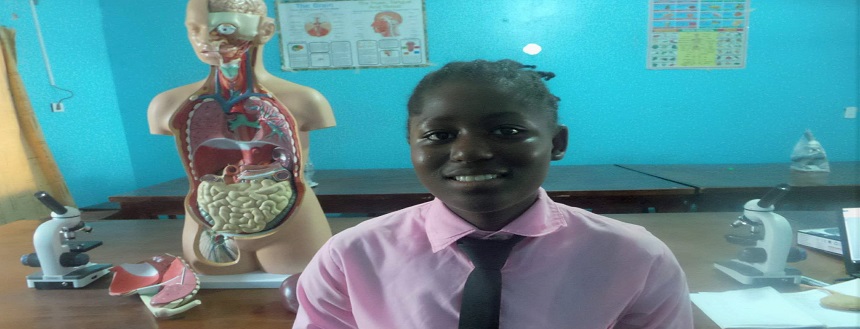
Microscope-based lab work, cell biology, and human anatomy taught by University of Liberia mentors.

Chemistry
Chemistry

Practical lab experiments covering organic and inorganic chemistry with hands-on materials.

Physics
Physics

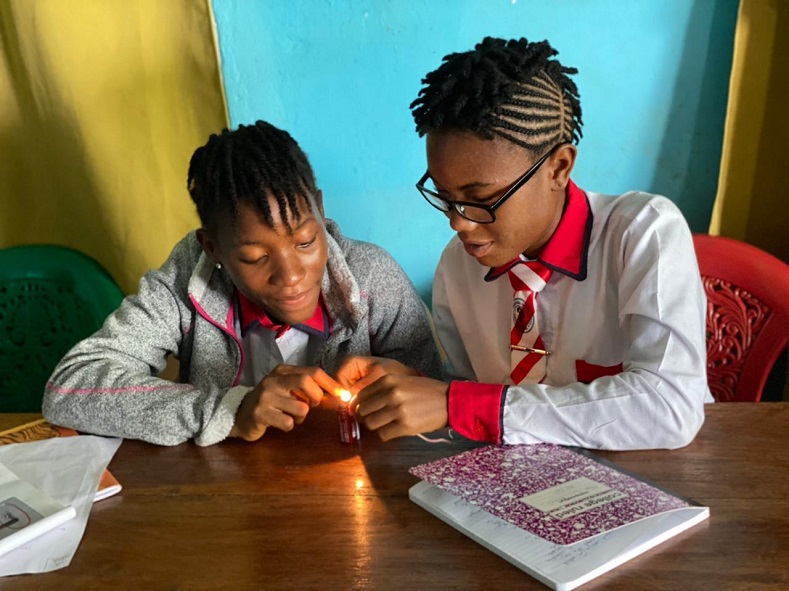
Applied physics including mechanics, electricity, and optics with real demonstrations.

Mathematics
Mathematics

Beyond rote mechanics — students learn the language and application of math to real careers and daily life.

Computer Science
Computer Science

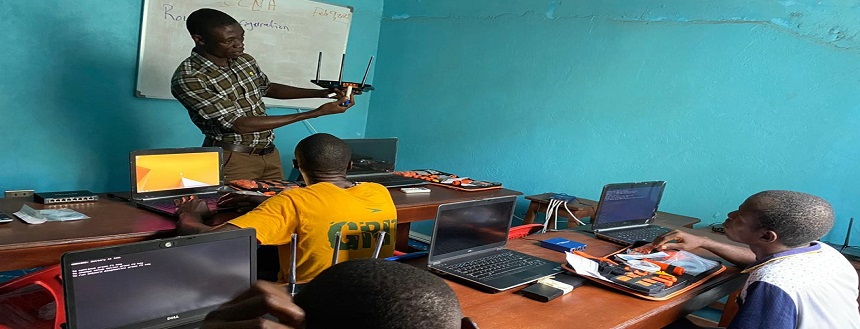
Python programming, network fundamentals, system troubleshooting, and drone operation coding.

Reading & Literacy
Reading & Literacy

A dedicated literacy centre addressing vocabulary gaps — one of the strongest predictors of academic underperformance.

🎧

Hear the Research in Their Own Words

Our podcast Contextualizing STEM Education in Liberia, West Africa features the students, teachers, and professionals at the heart of this work — including episodes on predicting learning outcomes with algorithms, trauma in education, rural access to STEM, and more.